



Many destinations still measure success in terms of visibility: campaigns launched, impressions generated, social media reach and media coverage.
There is, however, one question that makes the real difference: is that interest actually turning into bookings and visits? The gap between promoting a destination and selling it remains one of the tourism sector’s biggest challenges. It is also where destinations win or lose their competitive edge.
Visibility is not demand
Tourism strategies have long focused on promotion: building a strong brand, increasing awareness and capturing travellers’ attention.
Today, that is no longer enough. A destination can be highly visible and still fail to generate a significant number of bookings. The reason is simple: visibility does not guarantee conversion. Destinations that succeed understand that promotion is only the beginning of the journey, not the end goal.
Impact of turism demand
The real difference lies in how a destination manages the traveller journey. Destinations that only promote themselves stop at the inspiration stage. They create content, launch campaigns and build visibility, but they do not guide travellers through the booking journey.
By contrast, destinations that sell
- Connect inspiration with a bookable experience.
- Provide easy access to structured tourism products.
- They integrate channels that enable direct or assisted booking.
- They reduce friction in the decision-making process.
Offer vs. product
One of the most common mistakes is confusing tourism resources with tourism products.
Multiple destinatios offer a rich range of attaction, including cultural heritage, gastronomy, nature and events. However these offerings are not always well structured or easy to book. Destinatios that generate bookings actively focus on:
- Designing clear, marketable experiences
- Packaging offerings into specific, bookable options.
- Adapting the product to different traveler profiles
- Integrating the offer into efficient distribution channels
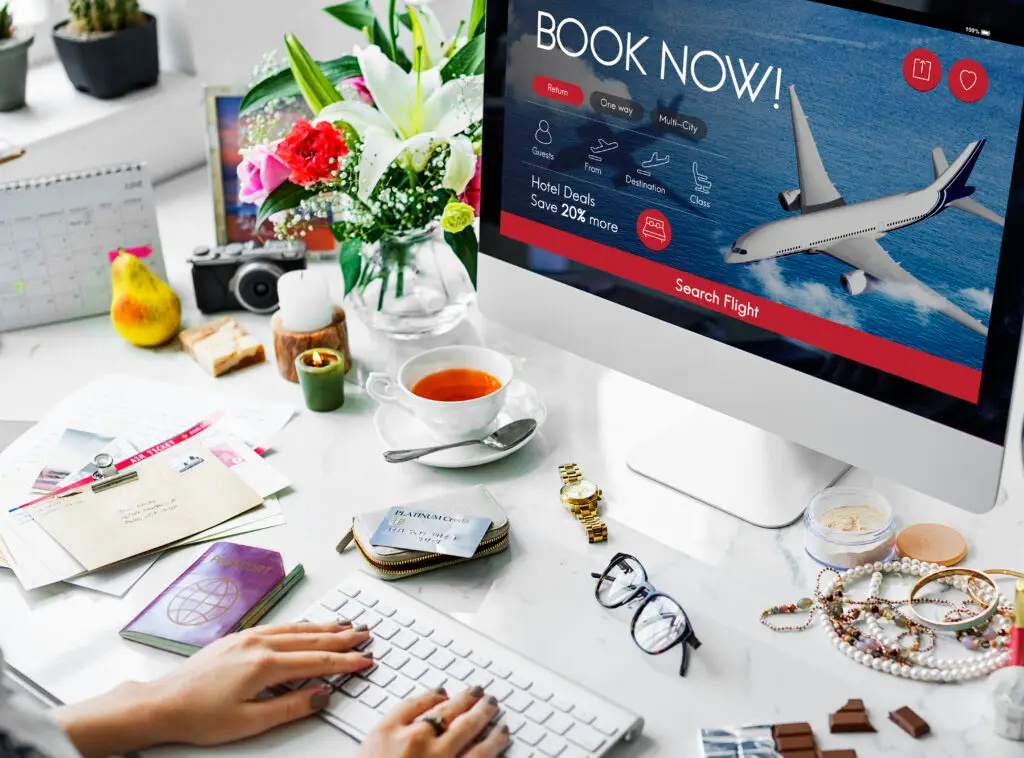
Digitalization as a driver of tourism competitiveness
Digitalization has become one of the main forces transforming the competitiveness of tourism destinations. Traveler behavior has changed: today, inspiration, information searches, comparison of alternatives, and, in many cases, the purchase decision all take place in digital environments as part of the same journey. This requires destinations to provide seamless, accessible digital experiences that can meet user expectations from the very first interaction.
Destinations that successfully turn interest into bookings share a set of digital capabilities. They use platforms that organize and clearly present their full tourism offering, make it easy to book activities and experiences directly, integrate payment systems and demand management tools, and leverage data to understand visitor behavior and improve decision-making. This combination enhances both the user experience and the efficiency of destination management.
Technology is no longer merely operational; it has become a true engine for growth. Rather than simply supporting existing processes, it drives revenue generation, facilitates the commercialization of tourism offerings, and enables destinations to respond more quickly to market changes and evolving traveler demands.
From Impact to Results
The difference between a destination that successfully turns interest into bookings and one that merely achieves visibility does not necessarily lie in its promotional budget, but in the strategic approach it takes to marketing its tourism offering. While some destinations focus their efforts on building awareness and expanding campaign reach, the most competitive destinations prioritize measurable outcomes that translate into actual demand.
A destination that focuses solely on promotion communicates the resources it has available and prioritizes increasing its visibility. By contrast, a destination that generates bookings builds its strategy around travelers’ needs, motivations, and expectations. It does more than simply showcase what it offers; it creates compelling value propositions that respond to what visitors are genuinely looking for and willing to book.
In an increasingly competitive market, success is no longer defined by the number of impressions generated, but by the ability to turn visibility into purchase decisions. The true competitive advantage lies in converting interest into demand by using communication, technology, and tourism offering management as tools to drive the destination’s sustainable growth.
At MADISON Travel & Tourism, we work with destinations that want to go beyond promotion, helping them structure their tourism offering, activate demand, and turn interest into measurable results.
If you’re rethinking how to move from visibility to bookings, we can help you define a results-driven strategy.